Creative Music Class
  • Home
  • Composition Competition
  • Publications
  • Bio of the Author
  • Teachers say...
  • Lessons
  • Presentations
  • Implementing Composition
  • Blog

Landscape Soundscape

11/17/2015

 
I was looking through "Music Paints My Picture" and was reminded of the rich resource images offer the composer, young and old.  Shape, color, form, content, line, subject, etc. offer much scope for music compositions, whether literally or through the mood and colors.  This is not a new idea of course. Think of program music such as Finlandia (Sibelius), The Moldau (Smetana), Appalachian Spring (Copland) to name but a few.  

I came across a fascinating site artsalive.ca focusing on these very ideas of visually inspired composition with several lessons on color, shape, image, landscape. This site includes listening examples, art, lessons and background to various compositions. See http://www.artsalive.ca/collections/nacmusicbox/chronologique-timeline/index.php/en/connexionsmusicales-musicconnections/paysagevisuelsonore-landscapesoundscape/gl-eg-03

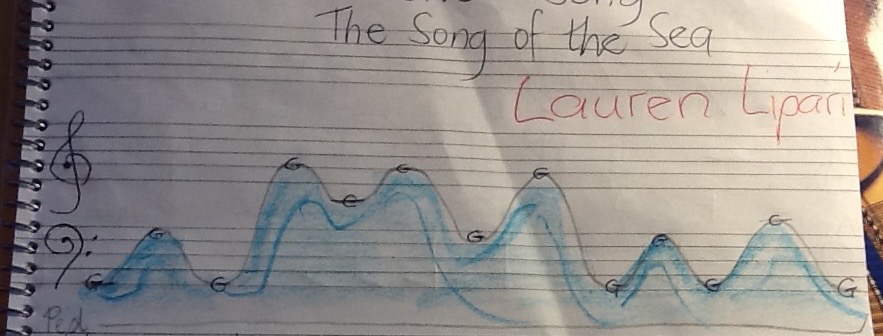
On a simpler note, have younger kids draw directly on the staff, e.g. mountains, or ocean waves, and where the mountain or ocean lines cross the staff, dot these intersections.  These dots are shaped into notes.  Tweak for rhythm, meter, etc.  
Picture

Handel remembered

11/9/2015

0 Comments

 
Picture
As I worked on my next music composition book this morning, I was searching for some fun and novel ideas that kids would enjoy, and came across this blogpost by the composer-in-residence at the Handel House in London.  I was immediately intrigued, not only because it touches on Augenmusik (shaped scores that I blogged about last week), but also, I had visited Handel House in 2010 in both London and Halle, Germany and well remembered the beauty of the House museum.  The displays, authentic instruments, artifacts all reminded me of the legacy of this legendary composer.

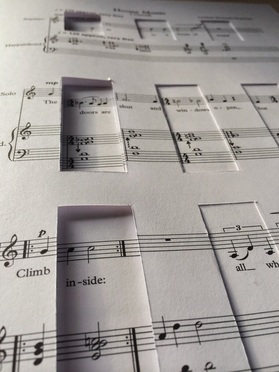
Edwin Hillier writes about composing a new work "House Music" in which he captures the facade of the Handel House in the composition:
​"It works with the Renaissance principle of Augenmusik – where art was often used to illuminate notated music – and develops it so the relationship is thoroughly structural. The song is structured by windows cut through the paper, which are assembled to follow the facade of Handel House, in Brook Street, London. Players are to perform what they see on the page before them, including the material revealed beneath by the windows. The libretto marks the progress of a career, or life, across four movements – beginning as an outsider looking in to the establishment; then claiming the safer space within; and finally settling upstairs to sleep, and dream of legacy.
I've been so drawn to the concept of eye music, my entire concert series has centred around the theme of 'seeing sound', featuring leading lights in music and film such as Jessica Hynes, Oren Marshall, Sarah Angliss, Crewdson, and Calum Gourlay.
I thought you might find it interesting to see the work-in-progress of my composition, as eyemusic is not necessarily a typical structure... "
Read the rest of his post at 
http://handelhousecomposer.blogspot.com/2014/11/house-music-eyemusic-my-last-commission.html
​
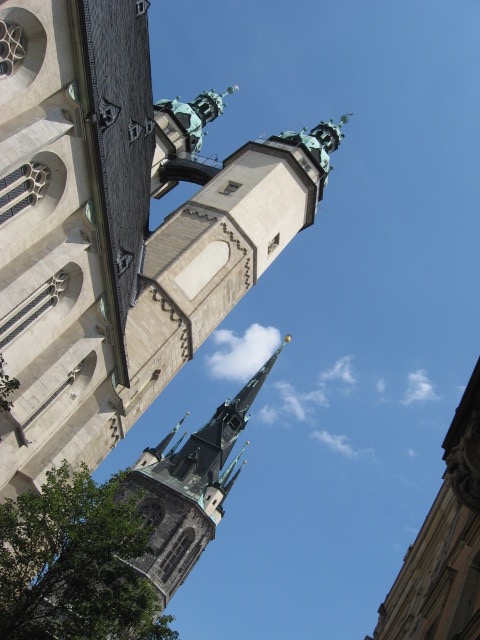
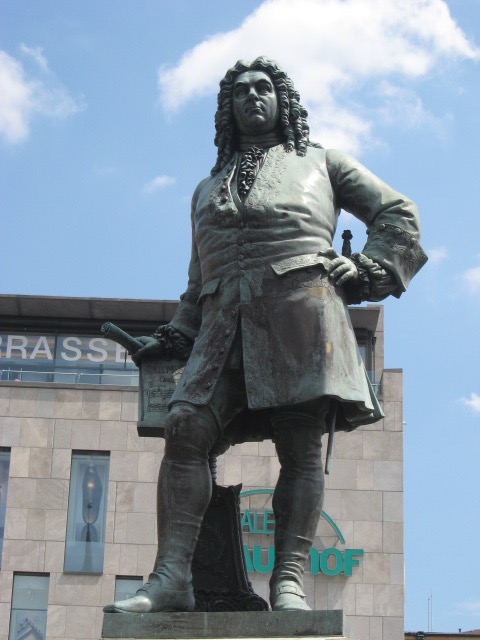
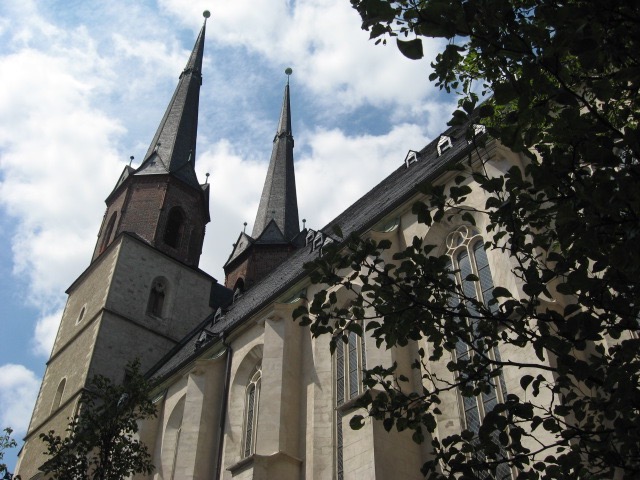
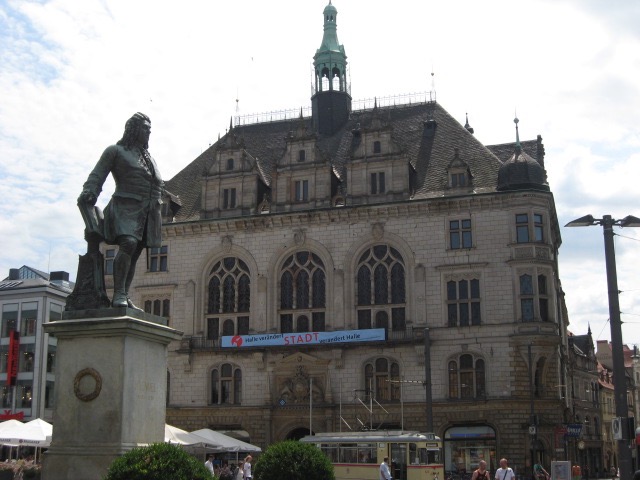
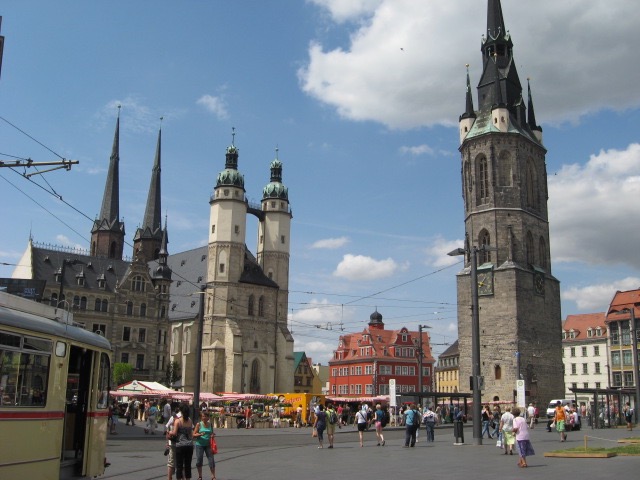
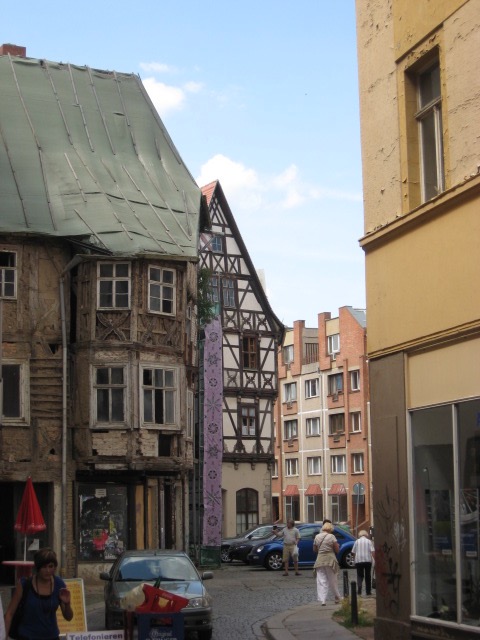
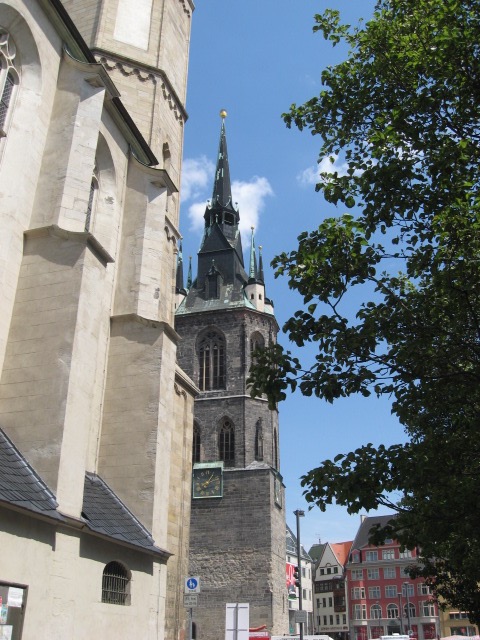
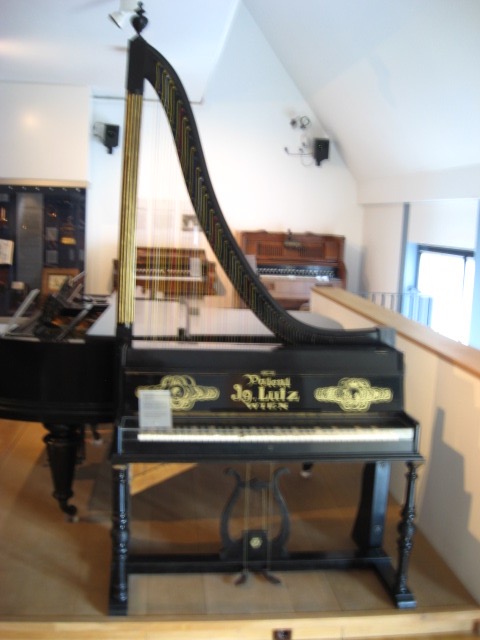
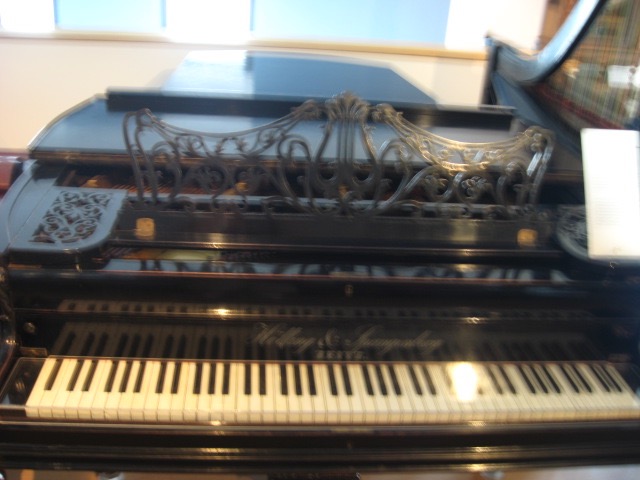
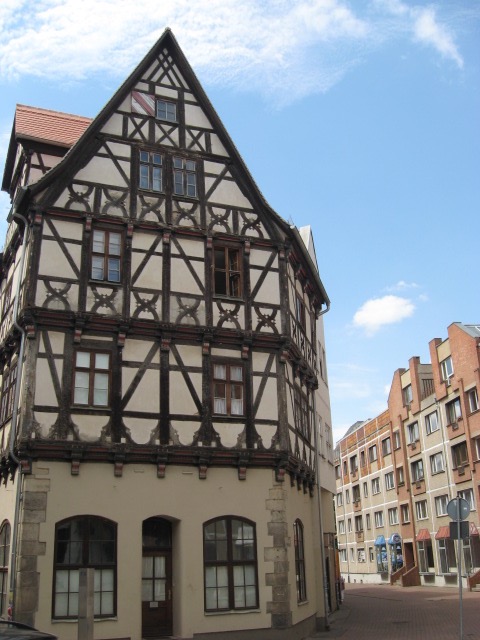
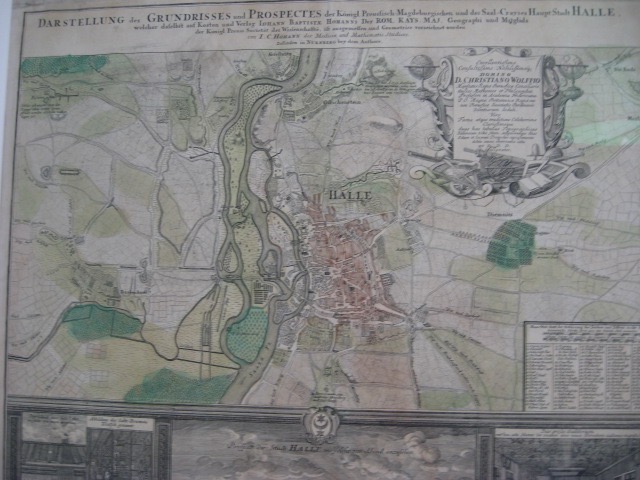
Images of my visit to Halle: the town square with the Handel momument, the Marktkirche on the town square where Handel was baptized and received his first organ lessons, and pictures from inside the Handel House museum.

0 Comments

In Shape

11/3/2015

0 Comments

 
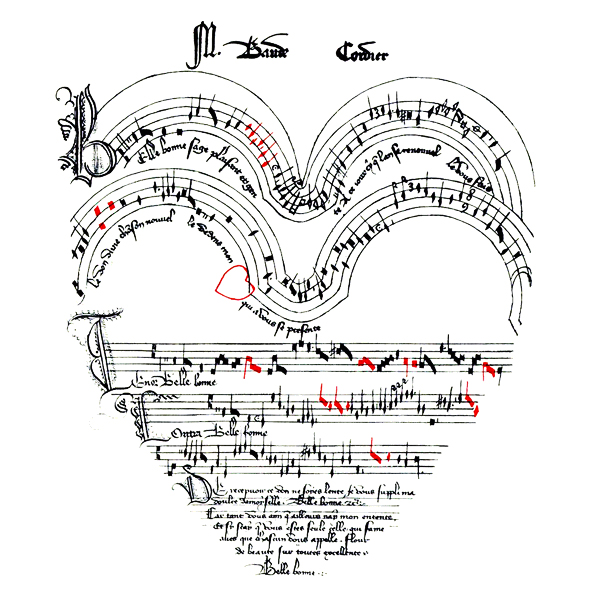
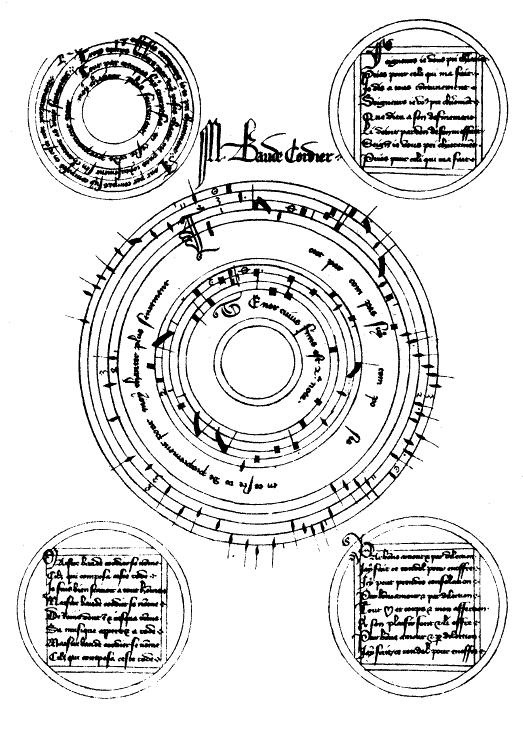
As I was preparing this month's free composition lesson, I was reminded of how much fun "shaped compositions" were.  Composers as far back as the Renaissance have explored "shaped" scores and compositions. Two examples  from the early Renaissance are from Baude Cordier, (ca. 1380-ca.1440).
​Cordier's chanson 
Belle, bonne, sage is in a heart shape, with red colored notes  indicating rhythmic alterations. Eye-music-within-eye music is in the small group of notes hanging like a locket in the upper left, also all in red and in the shape of a heart. Another work of Cordier is inscribed in circles, Tout par compas suy composés. 

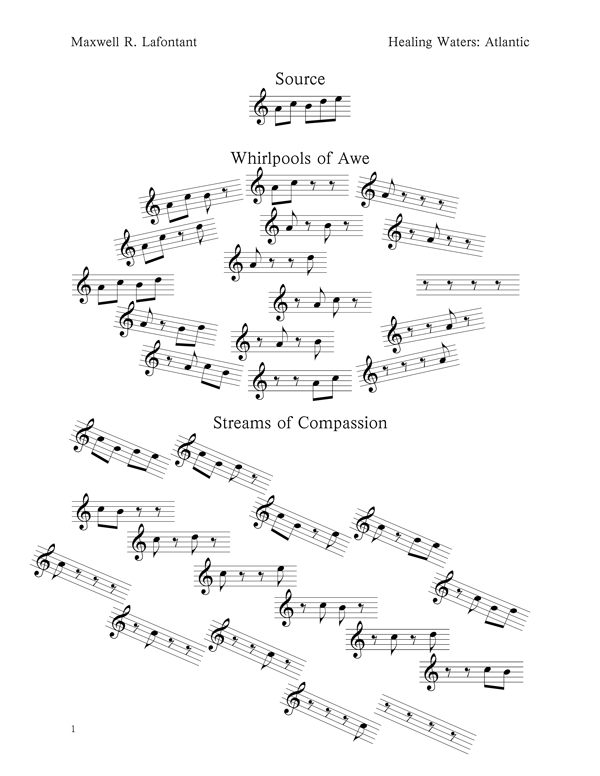
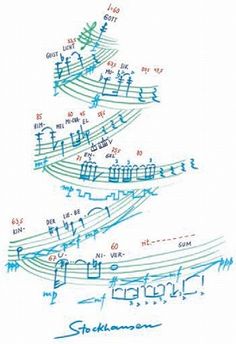
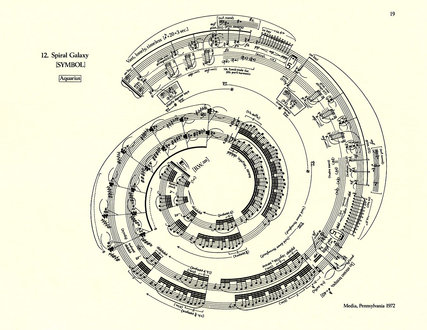
Likewise, many contemporary composers have composed scores in triangular, circular, grid, or artistic design formations.  For example, Healing Waters by Maxwell R. Lafontant, Stockhausen, Die zehn wichtigsten Wörter, and Makrokosmos, Vol. 1 by George Crumb,  to name but a few.  
​
Search "Augenmusic" or "Visual Scores" for more examples.  Explore these with your students and make connections for classroom compositions.  Concrete Poetry also offers a very obvious point of departure for "shaped" scores.  
0 Comments

    Author

    Hi Teachers,
    Here you can find updates on presentations, workshops, latest publications, and questions you may have on teaching some of the lessons in my publications. 

    View my profile on LinkedIn

    Archives

    April 2023
    September 2022
    February 2022
    April 2021
    December 2020
    October 2020
    August 2020
    May 2020
    April 2020
    March 2020
    February 2020
    January 2020
    October 2019
    May 2019
    April 2019
    February 2019
    October 2018
    September 2018
    July 2018
    June 2018
    April 2018
    March 2018
    January 2018
    October 2017
    September 2017
    August 2017
    July 2017
    June 2017
    April 2017
    March 2017
    February 2017
    January 2017
    November 2016
    October 2016
    August 2016
    July 2016
    June 2016
    May 2016
    April 2016
    March 2016
    February 2016
    January 2016
    December 2015
    November 2015
    October 2015
    September 2015
    August 2015
    June 2015
    May 2015
    April 2015

    Categories

    All

    RSS Feed